Moving day involves more than loading boxes and furniture onto a truck. Some belongings are too important, valuable or essential to be packed away with the rest of the household goods. Whether working with a removalist in Newcastle or relocating further afield, careful planning helps keep important items accessible when they are needed most.
Norm Eacott Removals & Storage understands that while furniture, appliances and general household goods can be transported professionally, certain possessions are always best kept in personal custody. This article explains what should stay with you during a move, why some items should not be loaded onto the removalist truck and how to prepare a practical moving-day essentials kit.
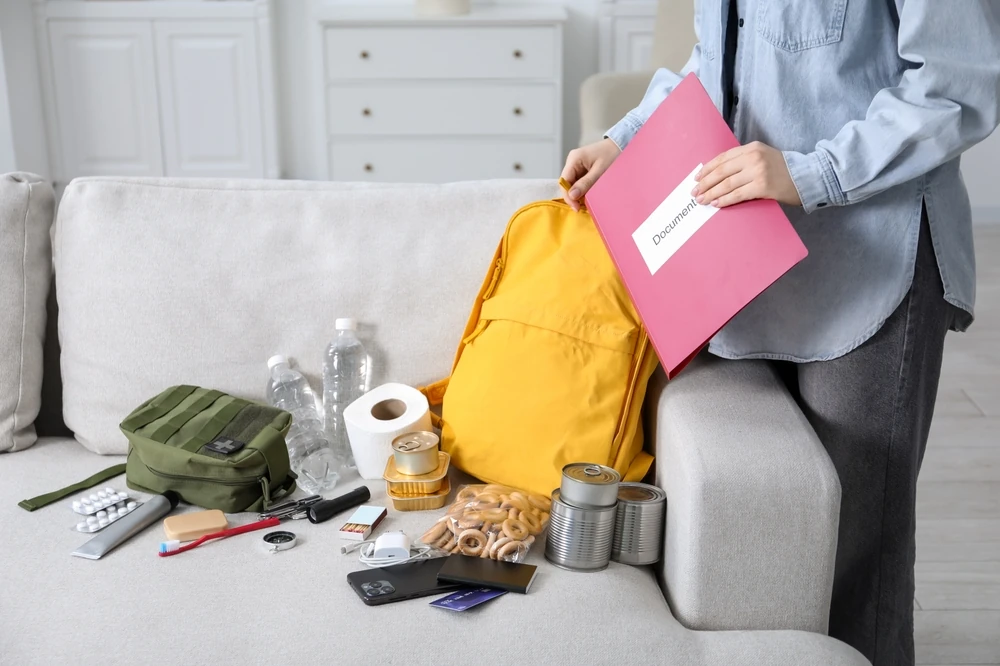
Certain belongings are safer and more practical to keep on hand rather than sending them on the truck. This is not only about value. It can also relate to safety, legal restrictions, insurance conditions and the need for immediate access during and after the move.
Keeping key items close provides a safeguard against unexpected situations, such as traffic delays, access issues at the new property, a delayed settlement or a truck breakdown. If essentials and irreplaceable documents are with you, the day can still run more smoothly even if the schedule changes.
A simple way to plan is to think of these items as a moving-day “carry-on”. Anything needed for health, identification, access, communication, comfort or the first night in the new home should stay with the household rather than being packed deep inside the truck.
Important documents, keys and access devices should always remain with the owner during a move. These items are small, easy to misplace and often needed quickly when leaving one property or entering another.
Essential paperwork can be difficult, expensive or time-consuming to replace. Any document that proves identity, ownership, financial status or legal obligations should be kept close throughout the move.
This may include:
Place these documents in a sturdy folder, document wallet or lockable bag and carry them personally. Digital copies stored securely in the cloud or on an encrypted USB stick can provide a useful backup, but original documents should still remain close.
Keys can easily be packed into the wrong box or misplaced during the rush of moving day. This can delay the entire process, especially if the truck arrives at the new property before the right keys are available.
Keep all moving-day access items together, including:
Keeping these items on a keyring, in a small pouch or in a handbag reduces the risk of delays and protects property security while either home is vacant.
Medication should never travel on the removalist truck. Temperature changes, delays or misplaced boxes can create serious health risks, particularly if medication is needed urgently.
Prescription medications, asthma inhalers, EpiPens, insulin, heart medication and daily tablets should be kept in a clearly marked personal bag. Include copies of prescriptions, Medicare details and contact information for regular doctors or specialists in case medication is lost or a pharmacy is needed quickly.
It is also useful to keep basic health supplies accessible, such as:
For babies, young children, older family members or anyone with specific care needs, keep special dietary products, formula, mobility aids and health-related supplies in the car rather than packing them with household boxes.
High-value and sentimental belongings are usually safer when kept with the owner or stored separately before the move. Even when removalists handle goods carefully, small valuable items can be harder to track when packed among general household contents.
Items best kept with you may include:
Electronics are not only valuable. They may also contain important personal or business information. Keeping laptops, tablets and hard drives with you helps protect both the item and the data stored on it.
A discreet backpack, small lockable case or personal bag can help keep valuables secure without drawing attention to them during the move.
A moving-day essentials bag prevents stressful searching through boxes when energy is low or the truck has not yet been fully unloaded. This kit should contain enough items to get through the day and the first night comfortably.
Think of it as a combination of an overnight bag and a small emergency kit. It should include anything needed for basic comfort, communication, hygiene and setup during the first 24 to 48 hours.
Each household member should have a small overnight bag, much like they would for a short trip. This helps avoid unpacking multiple boxes just to find clothes or toiletries.
Useful personal items include:
A compact towel for each person is also useful, particularly if bathroom boxes are difficult to locate straight away.
The first night kit should also include basic household items that make the new property usable before everything is unpacked.
Useful setup items include:
Even if takeaway is planned for dinner, having basic kitchen items available makes the first evening and next morning much easier. A small toolkit is also useful for assembling beds, opening boxes and handling minor setup tasks.
Cash, cards and key electronics should remain within reach throughout the move. A bank card or small amount of cash can be useful for fuel, tolls, parking, takeaway food or unexpected expenses.
Phones, laptops and tablets often contain important moving-day information, including contacts, maps, booking details and property access instructions. Keep chargers and power banks with these devices so communication is not disrupted.
It is also worth keeping printed copies or screenshots of:
Having these details accessible avoids delays if phone reception is poor, a battery runs flat or information is needed quickly.
Children and pets can find moving day stressful. Keeping their essential items close helps maintain routine and provides comfort while furniture is being loaded, transported and unloaded.
These items should travel with the family rather than on the removalist truck. Plan for at least 24 to 48 hours without needing to open a moving box.
For babies and young children, pack enough supplies to cover at least two full days. Keep everything in one clearly labelled bag that stays in the car.
Useful items include:
Older children may cope better if familiar comfort items are kept close rather than packed into the truck. Having books, games or a loaded tablet can also help keep them occupied while adults manage the move.
Pets can become anxious when their environment changes, so keeping their routine as stable as possible is important. Prepare a dedicated pet bag or crate that is loaded into the car last and unloaded first.
Useful pet items include:
For cats, include a small litter tray, litter and a scoop so a temporary toilet area can be set up as soon as the new property is reached.
On arrival, set up a quiet room with the child’s or pet’s essentials first. This gives them a safer, calmer space while the rest of the home is being organised.
Some belongings cannot go on a removalist truck for safety, legal or insurance reasons. Identifying these items early helps prevent last-minute stress and avoids delays if the moving crew needs to refuse certain goods.
Most restricted items fall into clear categories, including hazardous materials, flammable products, perishables and certain high-value personal goods. These items may need to be transported separately, disposed of correctly or used up before moving day.
Removalist trucks are generally not suitable for flammable, explosive or hazardous items. These products can create fire, leak or contamination risks when packed with furniture, cartons and soft furnishings, especially over long distances or in hot weather.
Common examples include:
These items should be used up before the move, disposed of through an appropriate hazardous waste facility or transported separately according to relevant safety requirements. Gas bottles may need to be emptied, exchanged or safely purged before moving.
Some batteries, chemicals and pressurised containers require particular care because they can leak, overheat or react with other materials. This is especially important if goods will be stored temporarily or transported over a long distance.
Items such as large batteries, lithium batteries not installed in devices, pool chemicals, fuel containers and LPG cylinders should not be packed casually into household boxes. If unsure, check with the removal company before moving day so there is enough time to make other arrangements.
Keeping these items off the truck helps reduce fire risk, protects other belongings and supports compliance with removal company policies and transport safety expectations.
Most removalists will not transport food that can spoil, leak or attract pests, especially on longer moves where travel and storage times are uncertain. Refrigerated and frozen goods are particularly unsuitable for standard moving trucks.
Perishables that need to be kept can be moved in an esky or cooler in a private vehicle and used quickly at the new address. For longer moves, it may be simpler to reduce fridge and freezer contents in the week before moving day.
Non-perishable pantry items are usually easier to move if they are sealed, within date and packed securely. Heavy glass jars, oils and sauces should be cushioned and boxed tightly to reduce the risk of breakage or leaks.
Keeping important items out of the truck is only useful if they are easy to find. Before the removalists arrive, set aside a clearly marked area for anything travelling with you. This prevents personal bags or restricted items from being accidentally loaded.
Practical steps include:
If several people are helping with the move, make sure everyone knows which bags are staying with the family. This reduces confusion and prevents important items from being picked up by mistake.
Deciding what stays close on moving day is less about worrying over the move itself and more about protecting essential belongings. Important documents, medication, keys, valuables, children’s items, pet supplies and first-night essentials should remain with the household rather than being packed onto the removalist truck.
A well-prepared essentials bag, combined with a clear understanding of what removalists usually cannot transport, helps minimise delays, reduce unnecessary risk and make settling into a new property more straightforward. With careful planning, moving day can feel more organised, secure and manageable from start to finish.


.webp)