
Let's move!
Give one of our friendly team a call, and if we’re busy moving boxes you’ll get a call back within the hour!

Moving can be both exciting and stressful, especially when you’re relocating your entire household to a new place. From packing boxes to unloading furniture, there’s always a risk that something might get damaged or lost. That’s why many people choose to work with removalists in Central Coast who understand local conditions and can recommend the right moving insurance. Norm Eacott Removals & Storage knows that the right protection can make all the difference between a smooth experience and one filled with costly surprises.
Understanding your insurance options before the move gives you confidence that your belongings are safeguarded against unforeseen mishaps. Many homeowners assume their items are automatically covered during the move, only to discover gaps when it’s too late. With a bit of preparation and the right information, you can make sure every piece of furniture or appliance and keepsake is properly insured throughout the process.
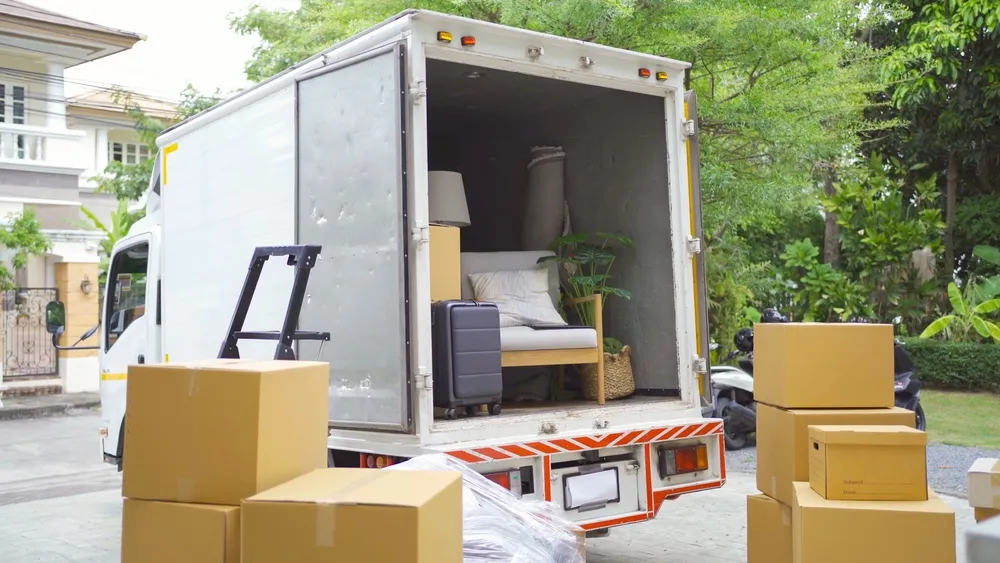
Moving insurance isn’t one-size-fits-all. Different types of policies exist to cover different risks, depending on how and where your belongings are being transported. By knowing the kinds of insurance available, you can decide which level of protection matches your specific needs and budget. This understanding ensures your valuables are covered no matter what happens on moving day.
Comprehensive transit insurance provides the broadest protection, covering your items from the time they leave your home until they arrive at the new location. It includes coverage for damage and loss or theft that may occur during handling or while in transit. This option offers peace of mind for those who want full security throughout the move.
Restricted transit insurance offers limited protection, generally covering damage caused by specific incidents rather than all possible scenarios. It’s a cost-effective choice for those who want basic coverage without paying for extras. However, it may not include protection against accidental damage.
Storage insurance applies when your belongings are being stored before or after the move. It’s ideal for those who need short- or long-term storage due to delayed moving schedules or property handovers. This type of cover protects against issues that could occur while items are kept in a storage facility.
Many people misunderstand what moving insurance actually covers, which often leads to costly surprises later. Misconceptions can prevent homeowners from securing the right protection, leaving valuable items exposed to potential loss. By addressing these myths, you can make informed decisions about your move.
A common assumption is that existing home insurance policies automatically cover items during a move. While some do provide limited coverage, it’s rarely comprehensive enough for a full relocation. It’s important to review your policy details carefully before relying on it.
Many clients assume removalists have full insurance that covers everything during the move. In reality, removalist insurance often protects the company and not the customer’s belongings. You should always verify what’s included before signing any agreement.
Some people skip insurance because they believe it’s an unnecessary expense. However, the cost of replacing damaged or lost items can easily exceed the price of a policy. Insurance provides financial protection that can save you from major setbacks.
Choosing the right moving insurance depends on your budget and the type of belongings you own. Not every policy offers the same coverage, so comparing options is key to ensuring you’re adequately protected. A well-chosen policy reflects both your moving risks and your comfort level with those risks.
Before purchasing insurance, take stock of what you’re moving and estimate the total replacement value. This helps determine how much coverage you’ll need. Over- or underestimating can affect how much you’ll be compensated in the event of a claim.
Not all insurance providers offer the same coverage or terms and conditions. Comparing multiple quotes ensures you find the best balance between protection and cost. Carefully read the fine print to avoid surprises later.
Your chosen coverage should reflect your moving situation. Whether it’s a short local move or a longer interstate relocation, risks differ. Adjusting your policy ensures you’re neither underinsured nor paying for unnecessary coverage.
Before signing a moving contract, clarify your removalist’s insurance arrangements. Asking the right questions helps you understand what’s included and what you might need to add yourself. Transparency ensures both you and your mover are aligned on responsibilities.
Start by confirming what insurance your removalist carries and how it applies to your belongings. This determines whether you need additional coverage. Understanding their policy helps you plan accordingly.
Every insurance policy comes with exclusions. Knowing these in advance prevents surprises if something happens. It’s essential to understand what situations or items aren’t covered.
It’s important to know your mover’s process for addressing damage or loss. A professional removalist will have a clear policy in place. This helps you know what to expect in case something goes wrong.
Even with the best precautions, accidents can happen. Knowing how to make a claim properly ensures a smoother process and faster resolution. A prompt and organised approach increases your chances of a successful outcome.
If something is damaged during the move, record it right away. Documentation helps support your claim and demonstrates that the damage occurred during the moving process. The sooner you act, the easier it is to prove your case.
Once you’ve gathered evidence, contact your insurer and removalist immediately. Delays can affect your eligibility for compensation. Providing clear and complete information ensures your claim moves forward quickly.
After submitting your claim, maintain communication with your insurer. Regular follow-ups help keep your case active and demonstrate your commitment to resolving it. Understanding the timeline and process can also help manage expectations.
Insurance is a vital part of any move, offering protection and peace of mind when relocating your home. Understanding the different types of coverage while knowing the right questions to ask and learning how to manage claims can save you time and money. Preparation ensures your belongings are protected from the start of your move until they’re safely in your new home.
Our team at Norm Eacott Removals & Storage believes that every homeowner deserves a safe and worry-free moving experience. You can focus on settling into your new space with the right coverage, knowing your valuables are protected at every stage of the journey.

Give one of our friendly team a call, and if we’re busy moving boxes you’ll get a call back within the hour!

