Let's move!
Give one of our friendly team a call, and if we’re busy moving boxes you’ll get a call back within the hour!

Moving interstate involves more than packing boxes and booking a truck. Important details such as moving dates, paperwork, utilities, belongings and travel plans all need to be organised to avoid unnecessary stress, delays and unexpected costs.
Norm Eacott Removals & Storage can provide professional support throughout the move, from transporting household belongings to arranging storage when needed. Having a clear plan for each stage also helps ensure important tasks are completed before moving day.
For households preparing to relocate, working with experienced removalists in Central Coast can make the process more organised and manageable. From preparing belongings and updating records to arranging services and getting the new property ready, careful preparation helps create a smoother transition into the new home.
Choosing an interstate removalist early gives households more time to compare services, confirm availability and understand the costs involved. A suitable provider should have experience with long-distance moves, appropriate insurance and clear processes for handling belongings across state borders.
Before booking, compare providers based on their experience, services, insurance and written quotes. This helps you understand what's included in the price and reduces the risk of unexpected charges.
Confirm that the removalist regularly handles interstate moves and has appropriate business and insurance details. Ask for written information about public liability and goods-in-transit cover, including any limits, exclusions, or optional protection for valuable and fragile belongings.
Households can also check whether a provider is an AFRA-accredited removalist when comparing interstate moving services.
It is also important to understand how moving insurance applies to belongings during packing, transit and temporary storage.
When comparing quotes, provide each provider with the same information about the household, access conditions, moving dates and any large or fragile items. Check that each quote clearly states:
Unusually low quotes should be checked carefully if they do not clearly explain what is added. A detailed quote makes it easier to compare the actual cost and level of protection provided by each removalist.
Interstate removalists can become busy during school holidays, summer and other peak moving periods, so booking several weeks ahead can provide greater choice of dates. Once a provider has been selected, confirm the arrangements in writing before paying a deposit.
Understanding how far in advance to book a removalist is particularly important for interstate relocations and moves during peak periods.
The booking confirmation should have the following details:
Keeping these details together provides a clear reference throughout the move and helps ensure the removalist and household are working to the same schedule.
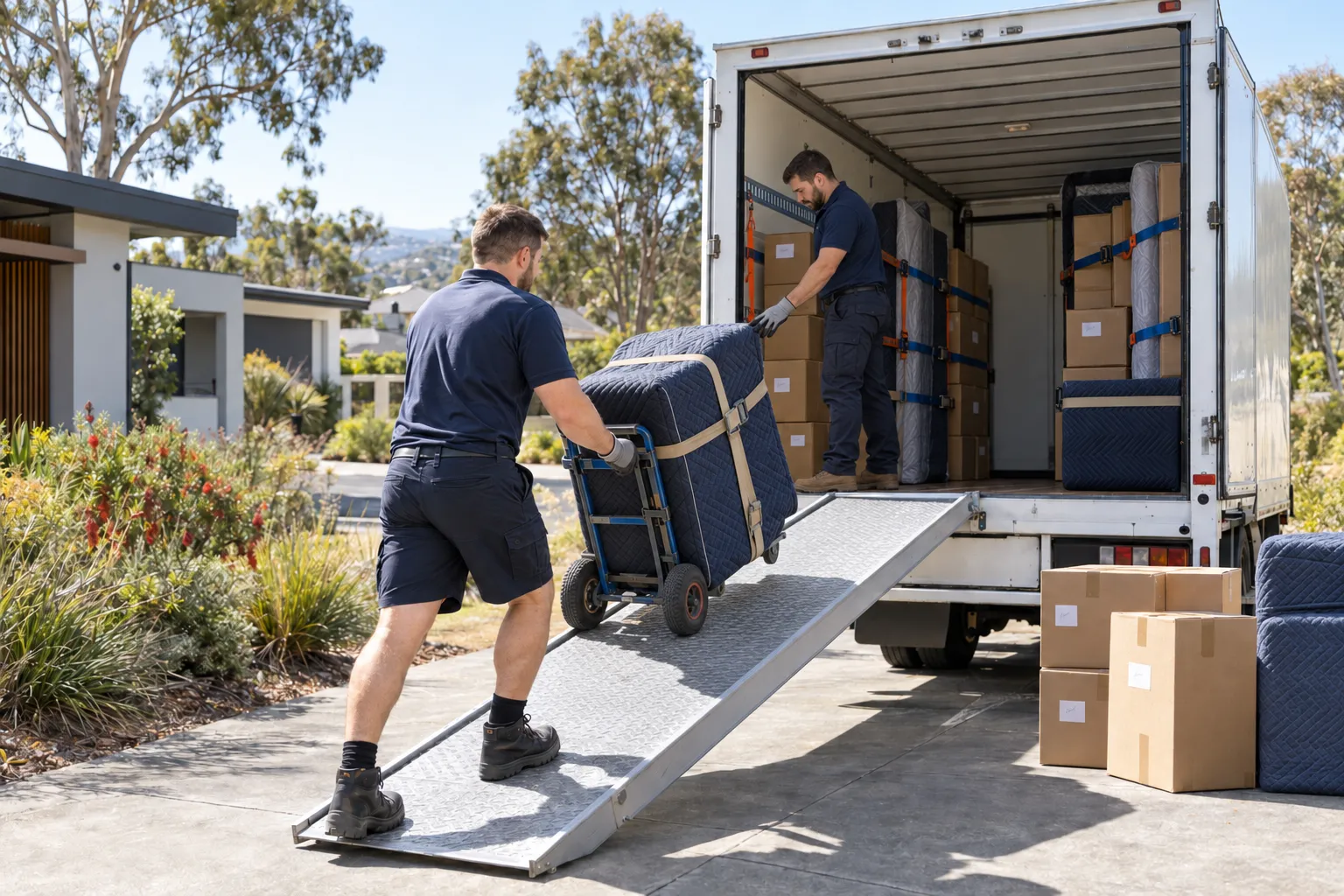
Careful timing is essential for an interstate move. Pickup and delivery dates need to work around lease dates, settlement, travel plans and property access to avoid delays, extra accommodation costs or periods without essential belongings.
Confirming the removal schedule early also gives enough time to arrange elevator bookings, loading zones, parking and other access requirements at both properties.
Before confirming the removal date, check all important dates for all the properties involved. These may have:
Allow enough time between pickup and handover to complete cleaning and final tasks at the old property. At the destination, delivery should only be scheduled once access and keys are guaranteed. Arriving in the new city ahead of the removal truck can also provide time to check the property and resolve access issues.
Interstate removals generally operate within delivery windows rather than guaranteeing an exact arrival time. Confirm the expected transit period and ask whether shared loads, regional routes or other factors could affect delivery.
Weather, road closures and property delays can also disrupt the original schedule. Confirm the pickup date, expected transit period and delivery window in writing, then check the schedule again before moving day. If a delay could leave the household without access to the new property, the accommodation and storage arrangements covered later in the move plan should be confirmed in advance.
Quarantine and biosecurity requirements differ between Australian states and territories and some household or outdoor items may be restricted, prohibited or require treatment when crossing state borders. Checking the destination state's current requirements before packing can help prevent delays, disposal costs and potential penalties.
This is important when moving plants, fresh produce, soil, outdoor equipment or animal-related items. Requirements can change, so the relevant state government biosecurity guidance should be checked before moving day.
Depending on the destination state, items that may require restrictions, treatment or additional checks can be:
Review items stored in the garden, shed and outdoor areas rather than focusing only on belongings inside the home. If an item cannot be transported, allow time to use it, dispose of it, give it away or arrange any required treatment.
Outdoor equipment should be thoroughly cleaned before loading to remove soil, seeds, plant matter and insects. This can include garden tools, bicycles, lawnmowers, camping equipment, trailers and other items that have been used outdoors.
Pets may also have state-specific entry, registration or documentation requirements. Check the destination state's requirements and arrange any necessary veterinary appointments, certificates or treatments early.
Food should also be checked before packing. Sealed packaged products may be easier to transport, while fresh produce, plants and some seeds can be subject to restrictions. When there is uncertainty about an item, check government biosecurity information before taking it across the border.
If a vehicle will not be driven to the new state, arrange interstate vehicle transport well before moving day. Compare providers based on pick-up and delivery locations, estimated transit times, insurance coverage and whether the service uses open or enclosed transport. A written quote should clearly outline the service and any additional charges.
Prepare the vehicle before collection by cleaning it and photographing its condition, including any existing scratches, dents or other damage. Check the carrier's requirements for fuel levels, keys and non-running vehicles and remove personal belongings from the car unless the transport provider allows them.
Coordinate vehicle delivery with the household move and the date the vehicle will be needed. Allow for possible transit delays and arrange temporary transport or secure parking if the car may arrive before the new property is accessible.
Before packing, sort through each room and decide what should be kept, sold, donated, recycled or discarded. Removing unused, duplicate or unwanted belongings can reduce the volume of the move and make packing and unpacking easier. Outdoor items should also be checked for any biosecurity restrictions that may apply at the destination.
Create a simple inventory of the belongings that will be transported, paying attention to larger, fragile and valuable items. A clear inventory can also help the removalist estimate the size of the move and identify any special handling requirements. Useful details to record are:
Keep the inventory updated as packing progresses and share relevant details with the removalist if the final load includes bulky, unusually heavy or fragile items. A clear record also makes it easier to check that important belongings have arrived after delivery.
Prepare suitable packing materials before packing begins to protect belongings during loading, transit and delivery. Strong boxes, cushioning and protective wrapping are important for interstate moves, where belongings may be handled and transported over several days.
Use sturdy moving boxes in different sizes, with smaller boxes for heavier items and larger boxes for lighter belongings. Keep packing tape, labels, markers, packing paper, bubble wrap and protective padding on hand. Avoid overfilling boxes and clearly label fragile items and their destination rooms.
Wrap fragile belongings individually and use enough cushioning to prevent movement inside boxes. Glassware, ceramics, artwork and electronics may need additional protection or specialised packing. Photograph valuable items before packing and record them on the moving inventory.
Keep important documents, jewellery, cash and other irreplaceable belongings separate from the main household load where possible. Check the removalist's insurance terms, particularly if belongings are packed by the household rather than the removalist.
An interstate move can require updates to licences, registrations and other records linked to the previous state. Check the destination state's requirements before moving, as deadlines and processes vary and some updates need to be completed soon after establishing residency.
Records to review:
Keep identification, proof of address and other supporting documents accessible, as these may be required when completing transfers or applications. Checking each requirement early and noting any post-move deadlines helps prevent missed updates, fines and interruptions to essential services.
Arrange essential services before moving day so the new property is ready when the household arrives. Contact electricity, gas, water and internet providers early to confirm connection dates, transfer requirements and whether a technician needs access to the property. Internet services may require additional lead time, so installation should be booked as soon as the move-in date is confirmed.
Before the removal truck arrives, confirm that essential services are working and keep account details and provider contacts easily accessible. It is also useful to locate the main utilities, including:
If the property has been vacant, check that power, water and other required services have been connected before furniture and boxes are delivered. Having these basics in place makes it easier to settle in and deal with any issues as soon as they arise.
Interstate moves do not always line up perfectly. Settlement delays, rental dates or changes to the removal schedule can leave a gap between leaving the old property and accessing the new one. Planning for this possibility early can prevent rushed arrangements and unexpected costs.
If there is a possibility of a gap, arrange flexible accommodation before moving day. Depending on the length of the stay, options may include a serviced apartment, short-term rental, holiday park or staying with family or friends. Check whether the accommodation suits children or pets and keep booking and check-in details accessible.
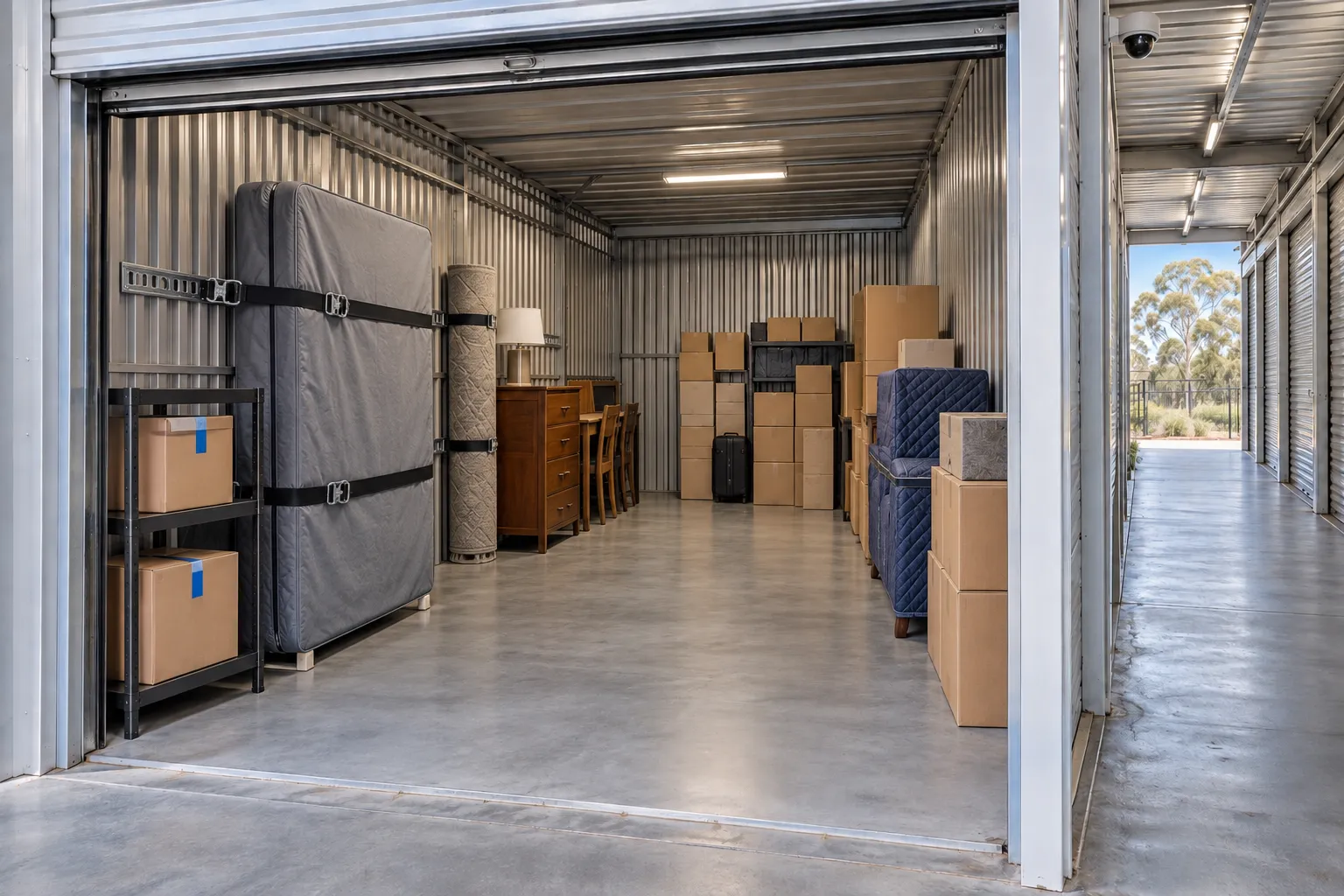
If the new property will not be ready when belongings are collected, arrange secure storage for furniture and boxes. Confirm the storage unit is large enough and check access hours and security arrangements. Clearly label boxes and keep frequently needed items together or near the front so they can be accessed without moving everything else.
Set aside clothing, toiletries, important documents, chargers, medications, basic food and other necessities rather than loading them onto the removal truck. Families may also need children's clothing, school items and comfort objects, while pet owners should keep food, leads, bedding and relevant records accessible.
Keeping these essentials separate ensures the household can manage comfortably during the gap without relying on access to stored belongings.
Pack a separate essentials kit for moving day and the first night so important items do not get buried in boxes or loaded onto the removal truck. A clearly labelled suitcase or backpack can keep these belongings together and easy to access during travel and after arriving at the new property.
Include the items needed for basic comfort, hygiene and daily needs, such as:
Families may also need children's essentials, while pet owners should keep food, leads, bowls and other immediate supplies separate. Keeping the kit with the household rather than on the removal truck means the essentials remain available even if the main belongings are not unpacked immediately.
A successful interstate move depends on careful planning rather than a single deadline. Organising the moving schedule, paperwork, utilities, belongings, travel and arrival arrangements early can reduce delays, unexpected costs and last-minute stress.
Norm Eacott Removals & Storage can support the move with professional packing, careful handling, interstate transport and secure storage options. With the right preparation and reliable support in place, the transition can be more organised from the first packing day through to settling into the new home.

Give one of our friendly team a call, and if we’re busy moving boxes you’ll get a call back within the hour!

