
Let's move!
Give one of our friendly team a call, and if we’re busy moving boxes you’ll get a call back within the hour!

Moving house often in the Central Coast feels expensive before a single box is lifted, but smart planning can make a noticeable difference to the final cost. From the way items are packed to how access is organised, each small decision that a Central Coast removalist makes affects time on site and overall labour. Our team at Norm Eacott Removals & Storage helps people move smoothly without unnecessary costs getting in the way. We have seen that people who prepare early and understand how moving charges add up almost always spend less and experience fewer delays.
Saving money during a move is not about cutting corners or rushing the job. It is about being organised while setting realistic expectations and removing obstacles that slow everything down. When loading runs efficiently, crews can work faster while vehicles spend less time parked and the move finishes sooner. That combination is where real savings come from, and it starts well before moving day arrives.
Understanding where extra costs come from gives you more control over the budget. Many unexpected charges are linked to access issues or preparation gaps or even last-minute changes rather than distance alone. When these problems appear on the day, they almost always add time and effort. Knowing what causes them makes it easier to plan around them.
Clear communication also plays a big role in keeping costs steady. When movers know what to expect, they arrive with the right equipment and the right number of people. That preparation helps avoid delays that push labour hours higher. A well-planned move always costs less than a rushed or unclear one.
Limited access is one of the biggest reasons moves take longer than expected. Long walks from the truck to the door stairs without notice or narrow hallways slow the loading process. Heavy or awkward items add further time when special handling is required. All of this can stretch labour hours beyond the original estimate.
Extra charges usually appear when the job changes from what was originally planned. This might involve adding items on the day or discovering access problems too late. Being upfront and organised keeps the move running as quoted. It also allows the crew to work confidently without interruptions.

Big items do not have to blow out the budget if they are planned for properly. Early preparation allows the right tools and crew size to be organised. This keeps handling safe and efficient rather than slow and uncertain. Advance planning also avoids last-minute problem-solving.
Packing style has a direct impact on how long a move takes. Well-packed boxes stack easily, load faster and protect items during transit. Poorly packed or overfilled boxes slow everything down and increase the risk of breakage. Good packing habits save time and money at the same time.
Organisation matters just as much as materials. When boxes are clearly labelled and grouped logically, unloading becomes quicker and smoother. Crews can place items in the right rooms without stopping to ask questions. That efficiency shortens the overall job.
Packing does not need to be expensive if you know where to look. Many everyday items work well when used correctly. Using low-cost materials helps reduce upfront spending while still protecting belongings. The key is using them in a smart and consistent way.
Preparation before moving day makes a big difference to labour time. When furniture is ready to move, crews can focus on loading instead of dismantling. Organisation also prevents confusion and repeated handling. This preparation keeps everything moving at a steady pace.
Clear labelling is one of the simplest ways to save time. It helps movers work independently without stopping for instructions. Grouping boxes by room also improves unloading speed. This organisation reduces unnecessary lifting and repositioning.
The layout and readiness of the property can either support a smooth move or slow everything down. Clear access paths allow steady movement and safer handling. When crews do not need to navigate obstacles, the job flows faster. That directly affects the final cost.
Preparing both the old and new property is equally important. Smooth unloading relies on clear entry points and open spaces. When everything is ready ahead of time, the move finishes sooner and with less stress.
Parking access plays a major role in how efficiently a move runs. The closer the truck can park, the less carrying is required. Clear walkways also reduce risk and speed up movement. These small details have a big impact on time.
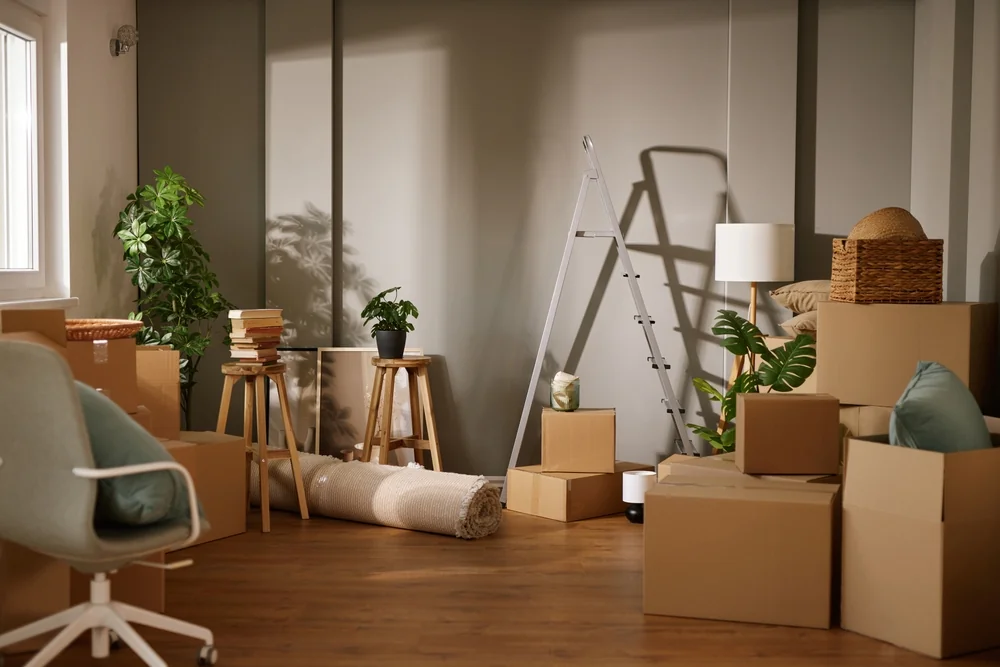
A designated loading zone keeps the move organised. It gives crews a clear area to stack and load items efficiently. This setup avoids congestion and repeated handling. A tidy loading area keeps the process flowing.
The destination property should be ready before the truck arrives. This allows unloading to begin immediately without waiting. A prepared space keeps the job efficient and avoids wasted time. It also helps items be placed correctly the first time.
Not every move needs the same approach. Choosing the right vehicle size and service level makes a big difference to cost. Overestimating can lead to unnecessary expense, while underestimating causes delays. Matching the method to the move keeps spending under control.
Flexibility also helps save money. Being open to different options allows a more tailored solution. This often results in faster completion and lower labour hours.
Smaller moves often benefit from a smaller vehicle. This option suits apartments or partial household moves. It can be quicker to load and easier to park. When chosen correctly, it reduces both time and cost.
Some people choose to help with parts of the move to save money. When done carefully, this can reduce labour time. The key is knowing where help is useful and where it slows things down. A balanced approach works best.
Timing affects availability and cost. Certain days allow more flexibility and smoother scheduling. Choosing wisely can reduce stress and expense. Planning ahead gives more options.
Saving money on a local move comes down to preparation and organisation with some smart choices. When access is clear while the packing is efficient and timing is planned well, the entire process runs faster. Faster moves mean fewer labour hours and lower costs without sacrificing care or safety. Small steps taken early have a big impact by the time moving day arrives.
Norm Eacott Removals & Storage believes that the most successful moves are those where everything is ready before the truck arrives. Clear communication with realistic planning and a calm approach always leads to better outcomes. A well-prepared move saves money while making the entire experience less stressful.
Give one of our friendly team a call, and if we’re busy moving boxes you’ll get a call back within the hour!

