
Let's move!
Give one of our friendly team a call, and if we’re busy moving boxes you’ll get a call back within the hour!

Moving can become unnecessarily stressful when there are too few boxes to pack everything safely or too many cartons taking up valuable space. Norm Eacott Removals & Storage understands that having the right number and mix of boxes helps keep packing organised, protect belongings and make moving day run more smoothly.
For homeowners planning a move, a Central Coast removalist can provide practical guidance on estimating box requirements based on the size of the property, number of rooms and volume of belongings. Different rooms also require different types and quantities of cartons when packing heavy, fragile or bulky items.
This guide explains how to estimate the number of moving boxes you may need, which rooms typically require the most, how to choose suitable box sizes and how much extra to allow. It also covers when to start collecting boxes and practical ways to avoid running out before moving day.
The number of moving boxes needed depends on the size of the home, number of occupants and amount stored in cupboards, wardrobes, garages and other areas. The following estimates use a mix of small, medium and large cartons and are intended as a starting point rather than a fixed requirement.
Speciality cartons, such as wardrobe, picture and archive boxes, are not included and should be added separately where required.
A typical 1-bedroom flat or home may need around 20 to 25 boxes, including:
Additional cartons may be needed for storage areas, hobby equipment or bulky possessions.
A 2-bedroom home commonly requires around 30 to 40 boxes, including:
Homes with children, extensive wardrobes or substantial storage may require boxes towards the higher end of this range.
A typical 3-bedroom house may need around 40 to 60 boxes, including:
A full garage, loft or other storage area can increase the total significantly.
A 4-bedroom home or larger may require 60 to 90 boxes or more, depending on the amount of furniture, storage and personal belongings. A general allowance includes:
Large families, multiple living areas, home offices and extensive storage can push the total beyond 90 boxes.
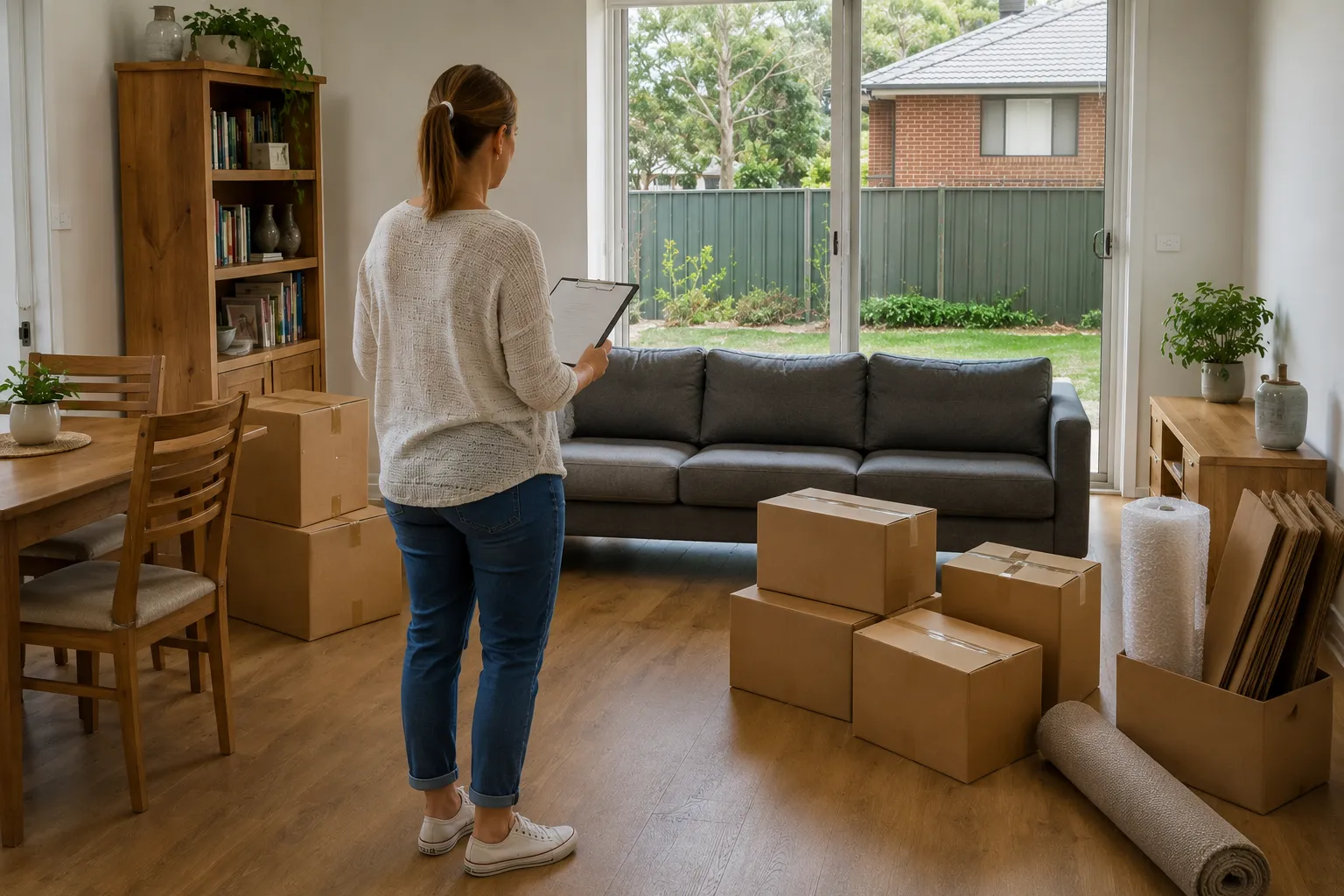
There is no single box count that suits every move. The quantity required depends on the size of the property, how much is being moved, the type of belongings and how efficiently everything is packed. Considering these factors before buying cartons can help prevent shortages, overfilled boxes and unnecessary costs.
Larger homes need more boxes, but the number of occupants and their lifestyles also make a difference. A three-bedroom home occupied by one person may require fewer cartons than a smaller family home. Additional bedrooms, wardrobes, garages, sheds and spare storage areas can also increase the total.
The amount and type of belongings can affect box requirements. Homes with extensive book collections, hobbies, large kitchens or substantial wardrobes will need more cartons. Fragile items require additional space for protective wrapping, while bulky belongings need larger cartons.
Packing methods can also influence the number of boxes required. Heavy items should go into smaller cartons, medium boxes suit household contents and large boxes are best for lightweight items. Filling cartons efficiently and using suitable materials to stabilise the contents can reduce wasted space while keeping belongings secure.
Garages, sheds, lofts, built-in wardrobes and under-stair cupboards can contain more belongings than expected. Kitchen drawers, bathroom cupboards and other compact storage areas can also add several cartons to the final count. Including these spaces in the initial estimate provides a more realistic picture of the total required.
Taking these factors into account makes it easier to estimate the right quantity and avoid discovering halfway through packing that more cartons are needed.
Kitchens, bedrooms and living areas typically account for a large proportion of household boxes because they contain many smaller belongings. Garages, sheds and other storage areas can also add considerably to the total.
The kitchen is often one of the most box-intensive rooms because it contains a mixture of fragile, heavy and awkwardly shaped items. A typical kitchen may require around 8 to 15 boxes, depending on its size and contents.
Allow extra cartons for crockery, glassware, cookware, pantry items and small appliances. Heavy tins, jars and pots should be distributed across smaller boxes, while fragile items need sufficient padding to prevent damage.
A main bedroom can often require 6 to 10 boxes for clothing, shoes, bedding and personal belongings. Children's bedrooms may require a similar number when toys, books and games are included.
Wardrobe boxes can be useful for hanging clothes, while folded clothing and shoes fit well in medium cartons. Wardrobes, drawers and under-bed storage should also be included when estimating the total.
Living rooms may require around 5 to 12 boxes, depending on the number of books, ornaments, electronics, games and decorative items. Books should be packed into smaller cartons because they become heavy quickly, while delicate ornaments and electronics require protective padding.
Garages, sheds, lofts and other storage spaces can increase the overall box count. Tools, gardening equipment, camping gear, seasonal decorations and hobby supplies often require several sturdy cartons.
These areas are easy to overlook, so including them in the initial calculation can help prevent a shortage later.
Choosing the right mix of box sizes is just as important as estimating the total number required. Matching cartons to the weight and shape of each item makes boxes easier to carry, reduces the risk of damage and helps use moving vehicle space efficiently.
A practical mix should include small, medium and large cartons, with speciality boxes added where necessary:
Homeowners can also follow these expert packing tips for advice on selecting packing materials, organising boxes room by room and distributing weight safely.
Avoid putting heavy belongings into large cartons simply because they offer more space. A box that is too heavy can be difficult to carry and may be more likely to split or become damaged during handling.
Safe Work Australia provides further information about the risks associated with lifting and carrying manual tasks, reinforcing the importance of keeping boxes at a manageable weight.
Standard box estimates do not always account for belongings that require extra padding, space or specialist packaging. Fragile, bulky and unusually shaped items can increase the number of cartons required, so they should be considered separately when planning.
A practical allowance is to keep an additional 20% to 30% of the estimated box capacity in mind for homes with significant amounts of fragile, bulky or awkward belongings. The exact amount will depend on what is being moved.
Learning how to pack fragile items can help homeowners choose suitable cartons, allow enough room for cushioning and reduce movement during transport.
Planning for these belongings early helps prevent overfilled cartons and gives a more accurate indication of the total volume being moved.
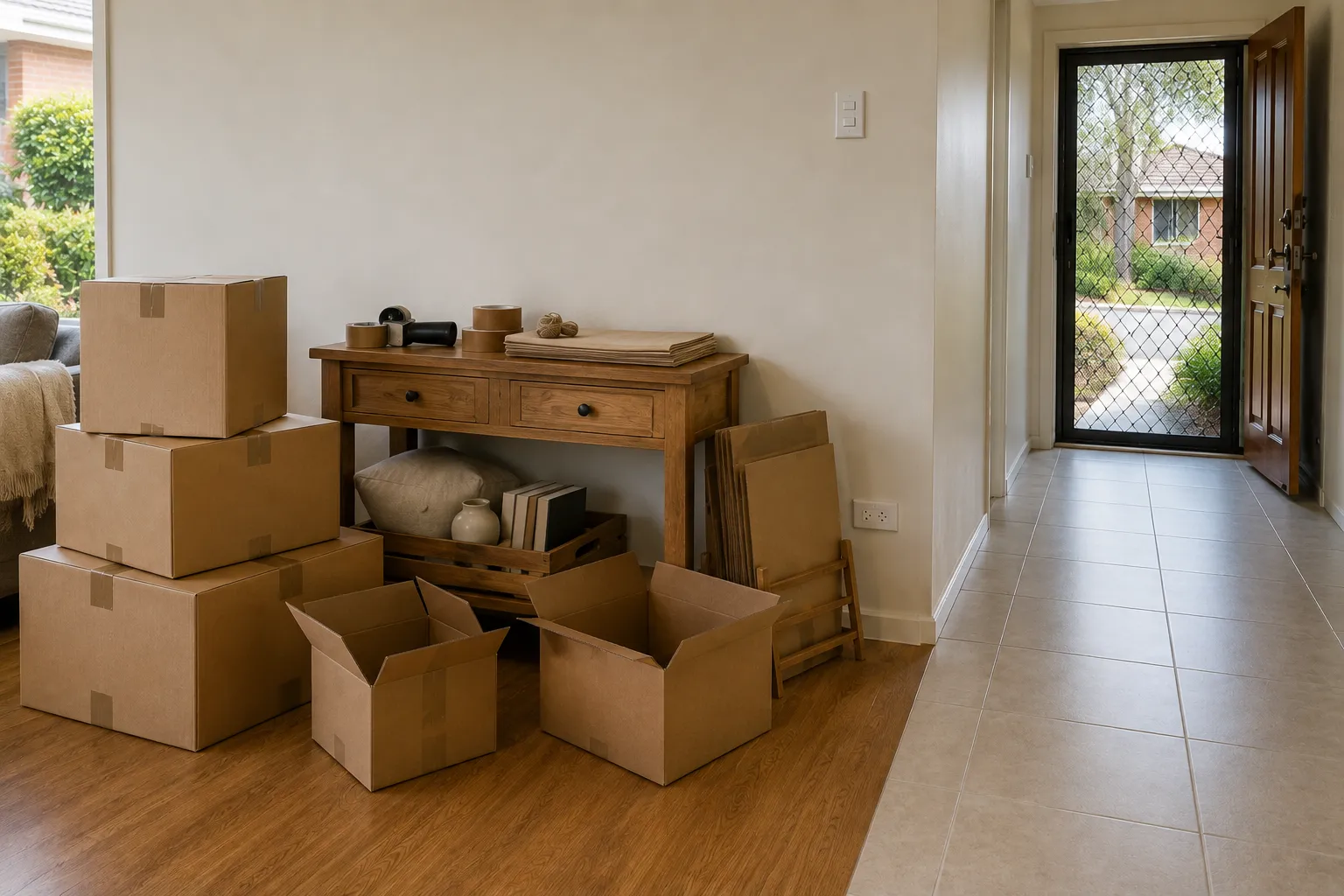
Yes, buying a small number of extra moving boxes is usually worthwhile. A 10% to 15% buffer is a practical allowance for last-minute items, additional protective wrapping, unexpected storage and cartons that become damaged during packing.
For example, if a move is expected to require 40 boxes, having another 4 to 6 cartons available can prevent a last-minute shortage.
Extra boxes are useful for:
There is no need to purchase a large surplus. A modest buffer provides flexibility without creating unnecessary expense or leaving stacks of unused cartons around the home.
Start collecting moving boxes two to four weeks before moving day. This provides enough time to gather the right sizes, begin packing and identify whether the original estimate needs adjusting. Larger homes or properties with extensive storage may benefit from starting four to six weeks ahead.
Following a practical moving checklist can help households organise boxes and packing materials early, pack non-essential belongings first and reserve an essentials box for moving day.
Pack less-used belongings first, like seasonal clothing, books, decorations, spare kitchenware and stored items. Everyday essentials can remain unpacked until the final few days, when several spare cartons should be kept available for last-minute packing.
Clean, sturdy moving cartons are preferable to relying entirely on free or second-hand boxes for heavy or fragile belongings. Decluttering before packing can also reduce the number of cartons required and make the entire process more efficient.
The best way to avoid running out of moving boxes is to estimate early, monitor your usage and keep a small reserve. Running short on moving day can result in overloaded cartons or unsuitable bags that make belongings harder to protect and transport.
Keep your box supply on track by:
If the volume of belongings is difficult to estimate, discussing the move with a professional can provide another useful reference point. Having enough sturdy, correctly sized cartons ready before moving day helps keep the final stages of packing organised and reduces unnecessary delays.
Working out how many moving boxes are needed comes down to understanding how much is being moved, what each room contains and how carefully belongings need to be packed. Estimating room by room, choosing the right mix of carton sizes and allowing a sensible buffer can help prevent shortages, protect possessions and avoid unnecessary costs.
Norm Eacott Removals & Storage can help make the moving process more manageable, whether homeowners need guidance on packing requirements, professional packing or secure storage. With the right preparation and enough suitable cartons ready to go, moving day can be more organised, efficient and far less stressful.

Give one of our friendly team a call, and if we’re busy moving boxes you’ll get a call back within the hour!

