Let's move!
Give one of our friendly team a call, and if we’re busy moving boxes you’ll get a call back within the hour!

Moving out of a shared house is not simply a smaller version of moving an entire household. Your kitchenware might be mixed with everyone else’s, your lamp might sit besides a housemate’s sofa and the dining table might belong to several people. The challenge is making it clear what leaves without disrupting the people who still live there.
Whether a small or big move, the most useful preparation is to settle ownership and collection arrangements before moving day. This means separating personal belongings from shared household items, confirming which furniture can be left and showing the removal team exactly what to collect.
Renters should also check their shared tenancy arrangements, including any updates needed to tenancy and bond records when a housemate moves out.
Norm Eacott Removals & Storage can help with the physical move, while clear instructions and a little preparation help protect your housemates’ belongings and prevent items from being left behind.
Start with ownership rather than packing. Before clearing a shared room, identify which items belong to you, which belong to your housemates and which need a conversation before anyone moves them.
Work through the spaces you use regularly, including the kitchen, living room, laundry and any shared storage areas. The aim is to establish a clear collection of belongings before anything goes into a box or onto the truck.
Check the shared spaces where your belongings might have accumulated. In the kitchen, this could mean the mug shelf, utensil drawer, pantry and cupboards containing baking trays. In the living room, look for books, chargers, lamps and small furniture pieces that have become part of the household setup.
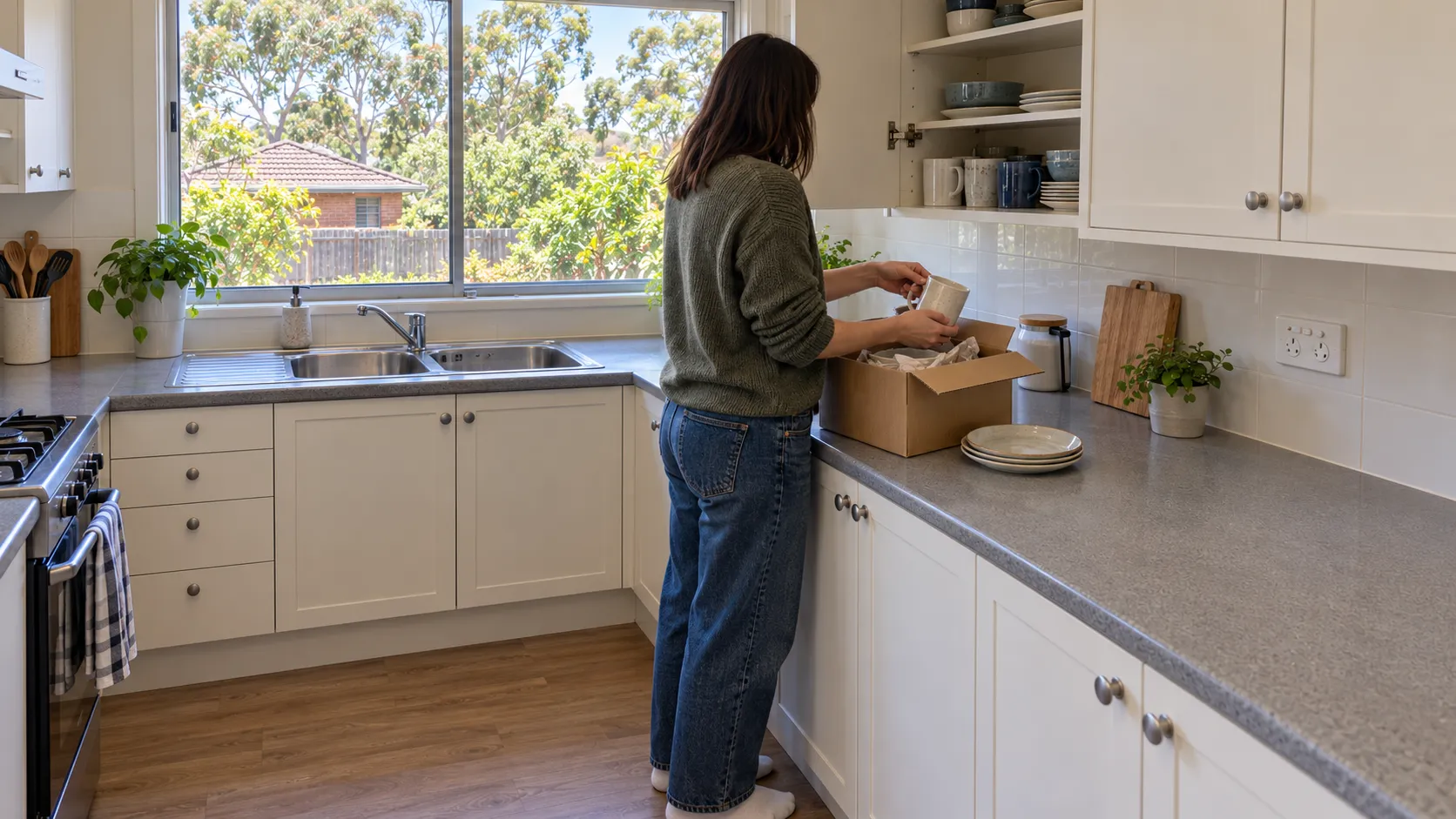
Gather smaller items in one agreed place before packing. This gives everyone an opportunity to identify anything that has been borrowed or mistakenly included. If ownership is uncertain, ask your housemates rather than relying on memory.
A room-by-room check also helps prevent personal belongings from being overlooked. Something stored on your shelf may belong to someone else, while an item you purchased may now be used in a different room. Confirming these details is easier than sorting them out during collection.
Shared furniture needs a separate discussion. A dining table purchased together should not automatically enter the loading plan simply because you arranged its original delivery or use it most often.
Speak with everyone involved and agree whether the item will stay or leave. If one person intends to keep it and a payment is involved, settle the arrangement between yourselves before collection. The removal team should receive a clear instruction rather than being asked to resolve a disagreement.
Record the outcome in a shared message, such as, “The dining table stays, but the two timber chairs are leaving with me.” Be specific about matching pieces, accessories and furniture sets. An agreement about the dining furniture alone could leave everyone with a different understanding of what is included.
Matching lamps, identical storage tubs and similar dining chairs can easily be confused during a move. Use removable labels that will not damage the surfaces, placing them somewhere visible. Include your name and a short description rather than relying on colour alone.
Take reference photos of items that could be mistaken for someone else’s belongings, particularly furniture that will remain in use until collection. Keep these images with your moving checklist so you can quickly confirm what is leaving.
A moving house checklist can help organise the timing of your move. Add a separate task for checking shared rooms with your housemates, as this establishes what should be packed before moving preparations begin.
A move involving only selected belongings requires clear instructions because the removal team cannot assume that everything in a room belongs on the truck. Furniture, boxes and appliances may be mixed with items that must remain in the house.
Explain the situation when arranging the booking, then walk through the relevant rooms before loading starts. The instructions should identify what is leaving, what must stay and any access conditions that could affect collection.
When booking a removalist in Newcastle, explain that the collection will take place in an occupied share house. Describe where your belongings are located and identify furniture that is positioned among items belonging to your housemates.
Provide an accurate estimate of the belongings being moved, including the number of boxes, larger furniture pieces and any bulky or unusually heavy items. Mention access conditions such as stairs, narrow hallways, lifts and parking restrictions so the collection can be planned appropriately.
On arrival, walk through the relevant rooms with the removal team before anything is carried out. Point to individual furniture pieces and grouped boxes instead of giving broad instructions like “take the bedroom”. A room may contain borrowed furniture, shared storage or belongings that another person needs to keep.
Professional assistance can reduce the amount of heavy lifting and transport coordination you need to manage yourself. Reviewing how a removalist can help make your move easier can identify arrangements worth discussing before the truck arrives.
Use consistent labels throughout the home, such as “MOVE” for belongings leaving and “STAY” for items remaining. Explain the system during the walkthrough rather than expecting the team to interpret coloured stickers without instructions.
Place labels where they can be seen before an item is lifted. For boxes, include your name and destination room alongside the collection label. A housemate’s storage box may look identical to yours, so a room name alone may not be enough.
Labels are useful for similar furniture and crowded rooms, but they should support the agreed collection list rather than replace it. If a label falls off or cannot be seen, the team should still be able to confirm the item with you.
Nominate one person who understands the collection arrangements and can answer questions throughout loading. Usually, this will be you. If you need to leave, tell the removal team who can confirm decisions in your absence.
Ask housemates to communicate any last-minute changes through that person rather than giving separate instructions. If ownership or inclusion becomes uncertain, leave the item in place until the decision has been clarified. Resolving the issue before loading is easier than arranging to retrieve the wrong item later.
Your move is happening in a home that other people still need to use. Keeping essential shared spaces accessible makes collection less disruptive and gives the removal team clearer access to your belongings.
Plan where packed items will wait and when shared furniture will become unavailable. You do not need to spread boxes throughout the house or clear every room to prepare for collection.
Choose a staging area that your housemates can work around. Your bedroom may suit smaller boxes, while another agreed area might accommodate larger items. Ask the movers where they would prefer belongings to be grouped, especially if access is limited.
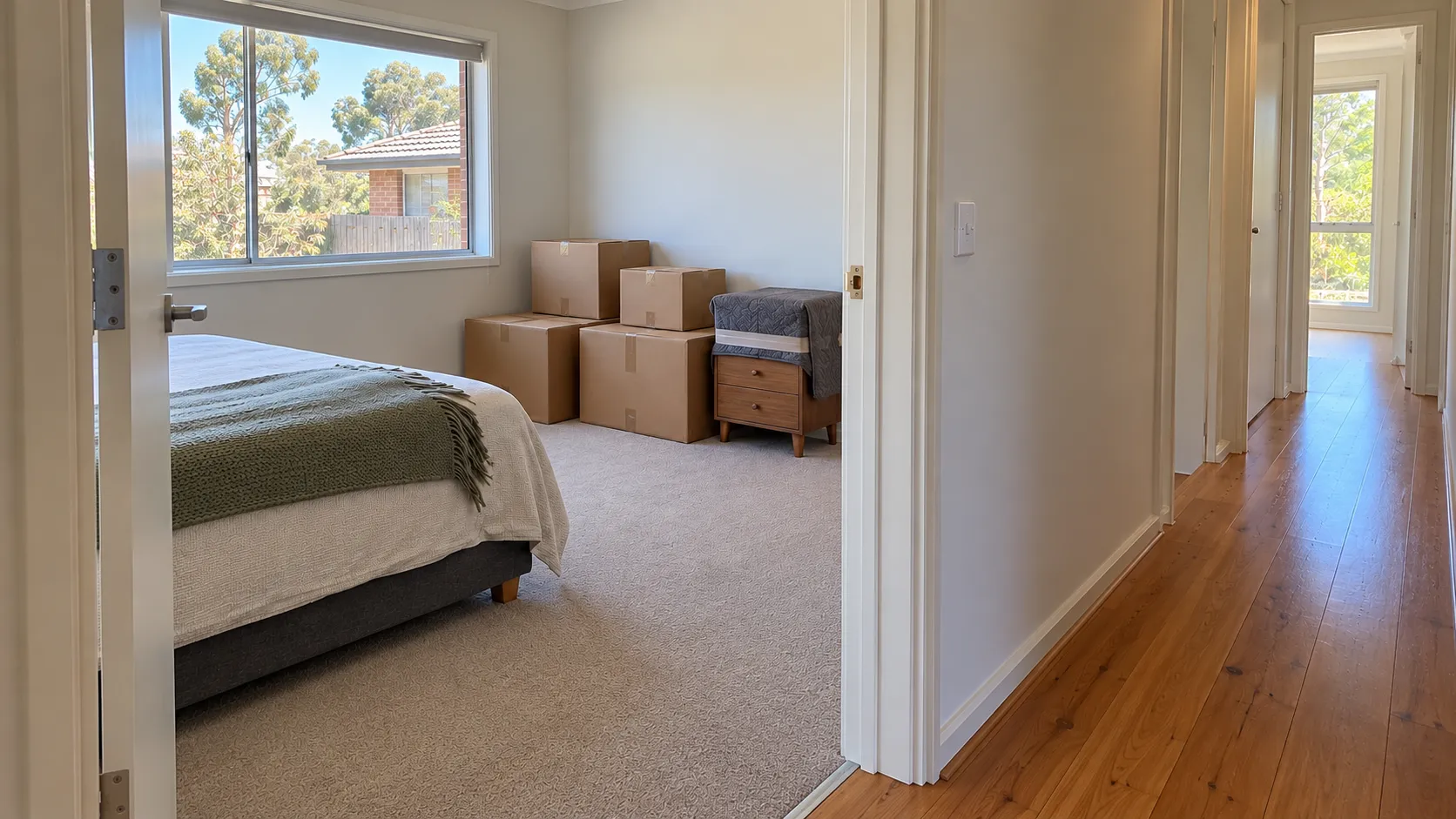
Avoid moving heavy furniture yourself just to create space. Explain where larger pieces are located and let the team assess how to handle them. A selective move does not require every item to be positioned besides the front door before collection.
Keep hallways, doorways and stairs clear. In the kitchen, avoid covering the benches with open boxes or blocking access to the fridge. Packing a few items at a time and moving completed boxes to the agreed staging area is less disruptive than taking over the entire room.
Keeping collection routes free of boxes and loose packing materials also helps with reducing trip hazards while the removal team works.
Keep your packed belongings separate from housemates’ storage tubs, bags and deliveries. Grouping everything near the exit can create confusion, so maintain clear distinctions between items being collected and household belongings that will stay.
If the dining table or sofa has been used by everyone, tell your housemates when it is expected to be collected. They may need to remove their belongings from it or arrange another place to eat or sit.
Provide a realistic collection window based on your booking rather than promising an exact loading time that may be outside your control. If the arrangements change, communicate the updated information so everyone can plan around the collection.
Before the furniture leaves, check around and inside it for other people’s possessions. A drawer in your cabinet might contain a housemate’s paperwork, while the space beneath your sofa could hold someone else’s charger. Ask the owner to retrieve these items instead of packing them with your belongings.
If someone questions an item during collection, pause its removal until the decision is clear. Check the agreed message, labels or reference photos, then confirm the instructions directly with the removalists.
Before the truck leaves, make a final pass through the shared rooms you used. Check for personal belongings and use your collection list to identify anything that may have been missed without disturbing items that are staying.
Moving out of a share house requires more coordination than simply packing a bedroom and arranging transport. Confirming ownership, documenting shared furniture arrangements and providing instructions can prevent mistakes while allowing your housemates to continue using the home.
Norm Eacott Removals & Storage offers assistance with the practical side of a move. Discuss the volume of belongings, access arrangements and any items that need special handling when booking. With these details settled, the move can proceed with fewer interruptions.

Give one of our friendly team a call, and if we’re busy moving boxes you’ll get a call back within the hour!

