
Let's move!
Give one of our friendly team a call, and if we’re busy moving boxes you’ll get a call back within the hour!

When it comes to moving house, one of the most important decisions you’ll make is choosing the right-sized moving truck. At Norm Eacott Removals, we’ve helped thousands of Australians relocate, whether it’s a cosy Sydney apartment, a suburban townhouse with trusted removalists in Central Coast, or a large family home in Newcastle. From experience, we know that picking the wrong vehicle size can turn what should be an exciting, fresh-start day into a stressful and expensive ordeal.
Choosing the right truck isn’t just about convenience. It can save you time, reduce moving costs, protect your belongings, and make the whole experience smoother and far less stressful. In Australia, where homes range from tight inner-city terraces to spacious regional properties, getting this decision right is crucial.
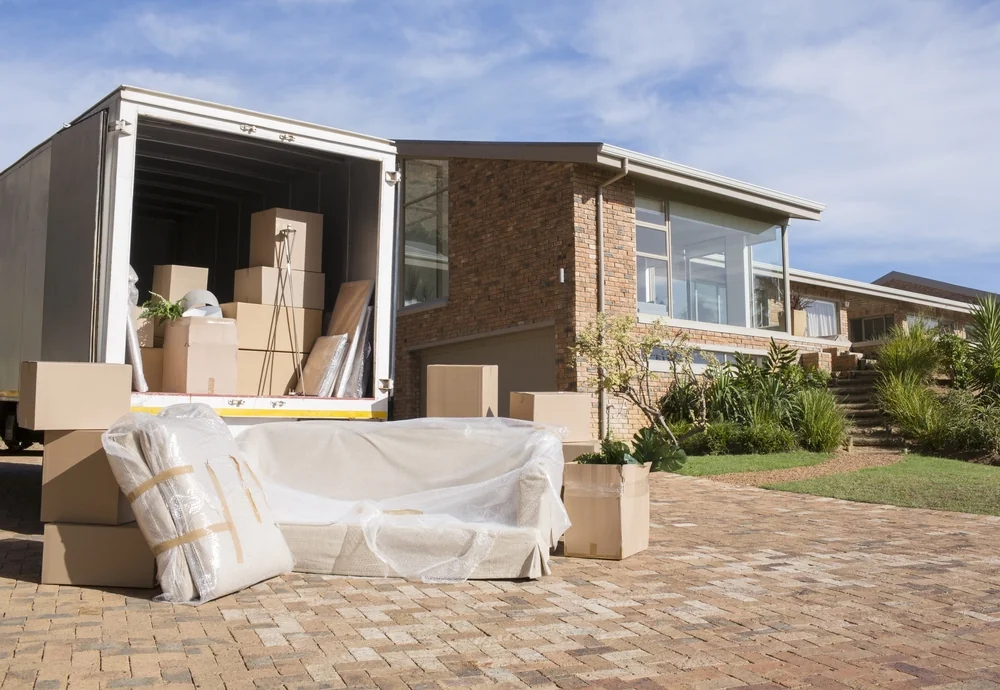
The size of your moving vehicle plays a pivotal role in how efficiently your move will go. It affects three main areas: cost, safety, and accessibility.
One of the most common mistakes we see is underestimating the amount of space needed. A truck that’s too small may mean multiple trips, which can quickly increase fuel costs, driver time, and even removalist charges.
Example: Moving a 3-bedroom home with a 12 m³ van often means two trips, whereas a 25 m³ truck could handle everything in one go, saving both time and money.
Tip: When in doubt, slightly overestimate the size you need—it’s better to have a bit of extra space than to cram everything and risk multiple trips.
Cramped vehicles increase the risk of scratches, dents, and broken items. Proper truck sizing ensures that everything, from sofas to delicate artwork, fits safely.
Tip: Disassemble large items where possible, like beds or tables, to maximise space and reduce the risk of damage.
Bigger trucks aren’t always better. In inner-city suburbs of Sydney, Melbourne, or Brisbane, narrow streets, tight driveways, and apartment complexes can make parking a challenge.
Tip: Measure driveway widths, check for low-hanging trees, and consider temporary unloading zones before booking your truck.

Estimating the right truck size starts with understanding the volume of your move and the types of items you have.
1-Bedroom Apartment or Studio
2-Bedroom House
3-Bedroom or Larger Homes
Tip: Write down an inventory of all rooms and major items. This will make it easier for your removalist to provide an accurate vehicle recommendation.
Some items take up more space than you might expect:
Tip: Disassemble where possible, use blankets for padding, and stack heavier items at the bottom. Norm Eacott Removals can advise on disassembly and packing strategies for these bulky items to save space and prevent damage.
Boxes, packing materials, and oddly shaped items can fill a moving truck faster than anticipated:
Tip: Overestimate slightly when calculating your truck size. Leave enough room for padding and secure placement, your items will thank you.
Even with careful planning, a few practical steps on moving day can make all the difference.
Professional removalists can provide expert volume estimates. Providing a detailed inventory; number of bedrooms, furniture, appliances, and boxes. This will ensure your removalist recommends the optimal truck size.
Tip: Accurate estimates help avoid last-minute upgrades or extra trips, saving both money and stress.
Tip: Discuss access issues with your removalist in advance. At Norm Eacott Removals, we provide guidance on best parking practices and access planning to ensure your move runs smoothly.
Choosing the right-sized moving truck is one of the most important decisions you’ll make when relocating. By considering your home size, the volume of belongings, bulky items, packing materials, and access limitations, you can make your move safe, efficient, and stress-free.
At Norm Eacott Removals, our experienced team is here to guide you every step of the way. From inner-city apartments to large family homes, we’ll help you select the perfect vehicle for your move, saving you time, money, and unnecessary stress. After all, moving should be about starting a new chapter not dealing with avoidable headaches.
Ready to make your next move smooth and worry-free? Contact us today, and let’s find the right truck for your journey.

Give one of our friendly team a call, and if we’re busy moving boxes you’ll get a call back within the hour!

